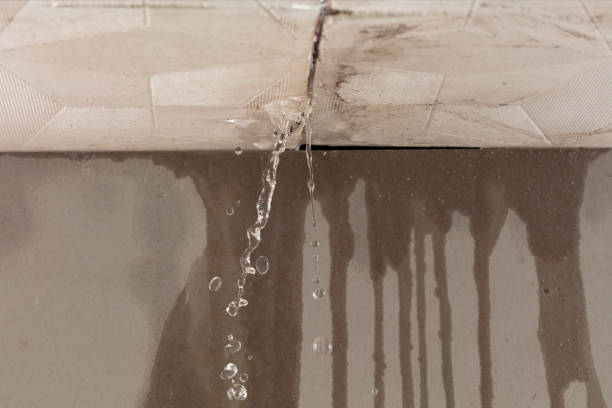
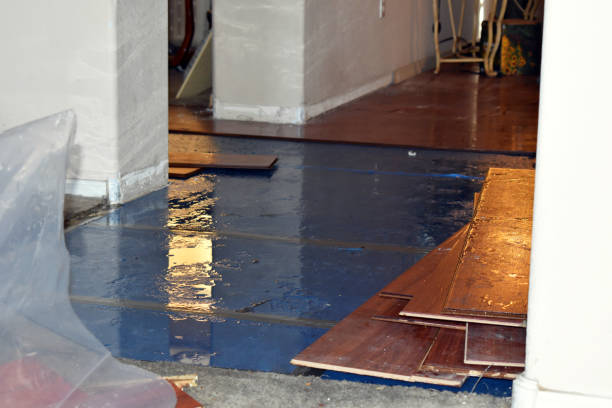
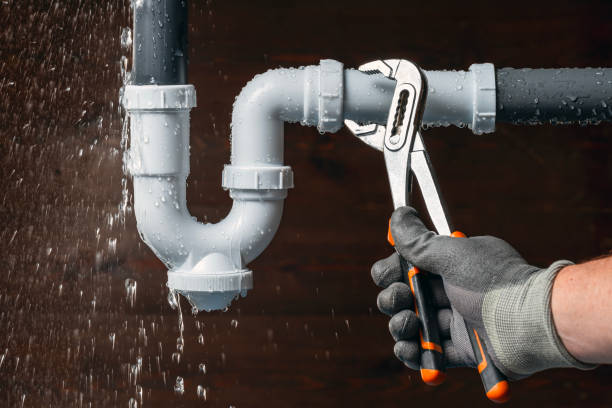
There's a specific kind of dread that comes with standing water spreading across a Shannon living room floor. We're built to shorten that window between the panic and the fix.
Call +1-844-578-1604
Crews staged inside Shannon limits
Flat-rate quote before any equipment runs
Licensed & insured, verifiable on request

Ask a Shannon homeowner who's dealt with a burst pipe at 3am and, if they called us, they'll tell you the same thing: someone answered, and someone showed up. That's the whole model.
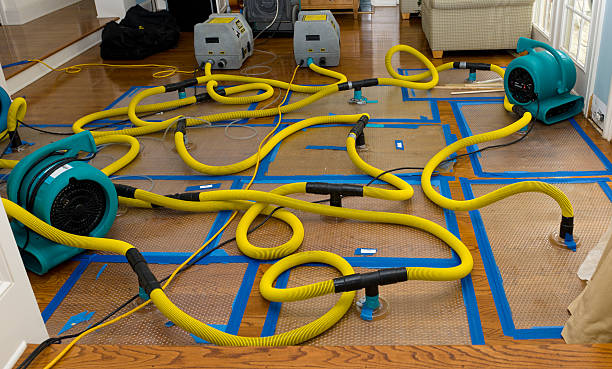
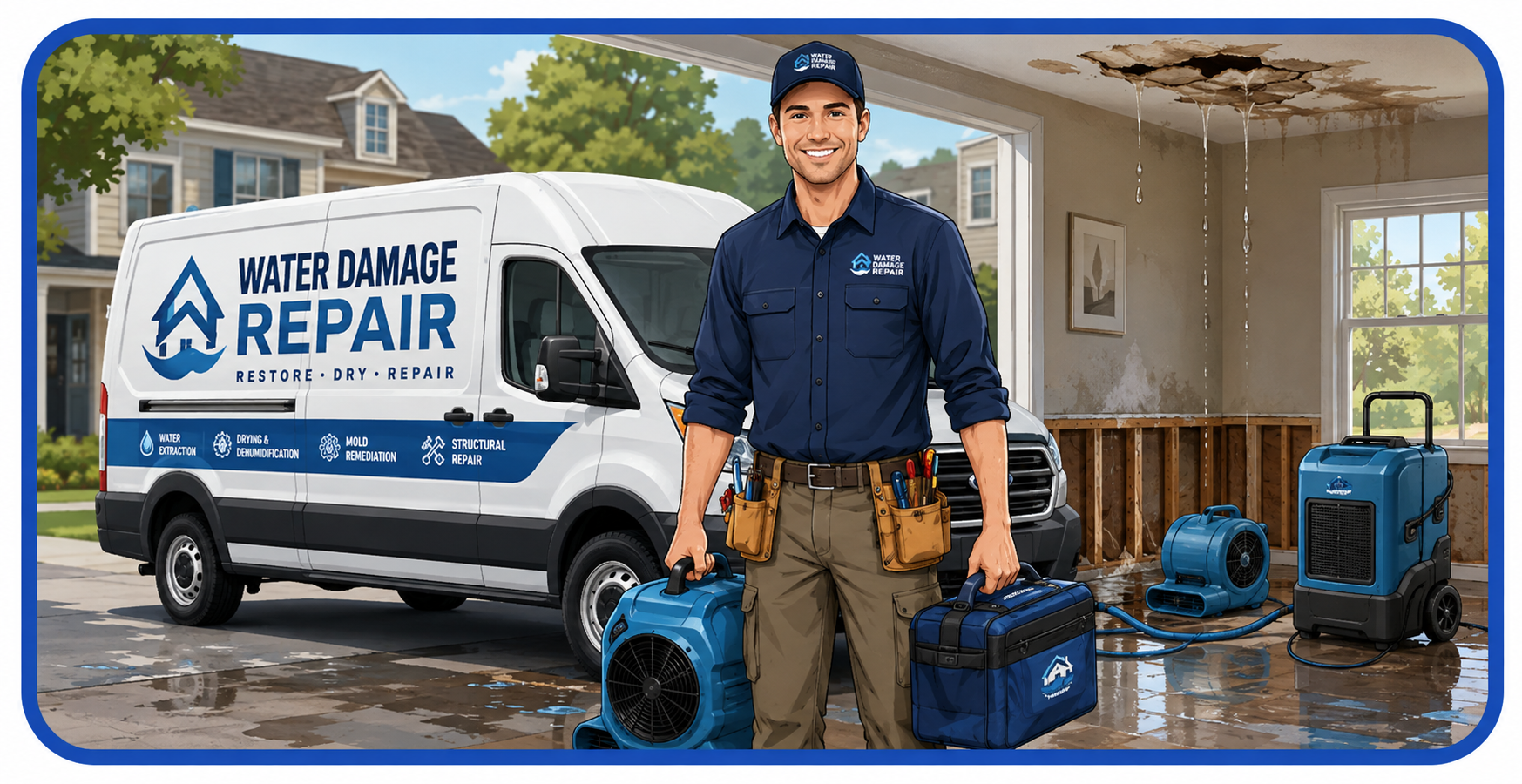
Every Shannon truck carries moisture meters, thermal cameras, and both standard and low-grain-refrigerant dehumidifiers, because a one-size drying setup doesn't work for every kind of Shannon home.
Ongoing training matters more to us than a certificate on the wall — drying standards and equipment change, and our crews train against the current standard, not the one from five years ago.
Water damage rarely starts as a dramatic flood — it usually starts small, and these are the signs worth acting on before the damage spreads further.
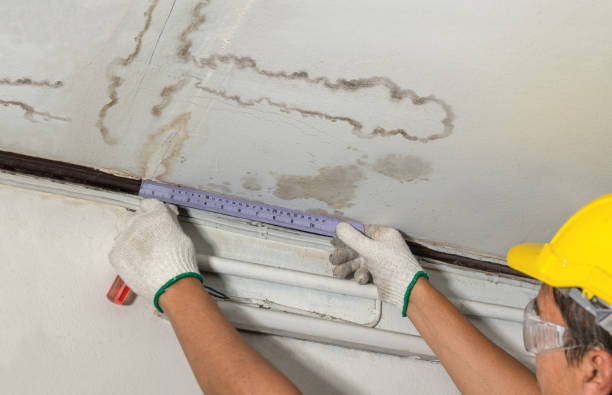
A ring that reappears within weeks of a fresh coat of paint means the moisture source is still active, and it's usually a plumbing line, not a roof issue, especially near bathrooms.
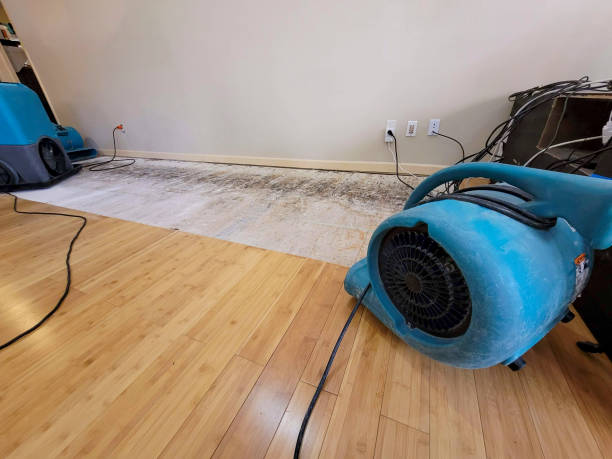
A musty note that wasn't there a season ago usually means microbial growth has started somewhere behind a wall or under flooring, well before you can see anything.
A hollow sound from tile that used to sound solid usually means the mortar bed lost adhesion from sustained moisture underneath.
A sudden increase in usage with no change in household habits is often the earliest sign of a slab leak, well before any visible water shows up.
Bubbling paint near a baseboard or exterior wall usually means moisture is pushing through from behind rather than a simple application defect.
Dark spotting around grout lines or window frames is frequently the first visible sign of a developing moisture problem.
If more than one of these sounds familiar, it's worth a professional moisture check sooner rather than later.
Treating Structural Drying as a single continuous job, rather than a series of handoffs, is what keeps timelines shorter and documentation consistent.
The equipment on our trucks scales up or down to the job, but the process — assess, extract, dry, verify, repair — doesn't change.
Moisture meters classify the water as Category 1, 2, or 3 on arrival, which determines whether it's a straightforward extraction or a full contamination protocol.
Air movers and dehumidifiers get placed according to psychrometric readings taken at assessment, not a default layout used on every job regardless of conditions.
Blackwater intrusions call for full PPE, controlled removal of porous materials that can't be sanitized, and hospital-grade disinfection before any reconstruction starts.
We treat the 48-hour mold window as a deadline for our own drying timeline, not a talking point.
Once moisture readings confirm the structure is dry, the same team that documented and dried the loss hands off directly into drywall, insulation, and flooring repair.
We inventory and relocate contents that need to leave the affected area, then coordinate their return once the space is verified dry.


Four steps, no guesswork — here's exactly what happens between your call and a verified-dry structure.
Dispatch gathers just enough detail to load the right equipment before the truck leaves the lot.
Moisture meters and thermal cameras trace exactly how far water has traveled, including inside walls and under flooring where it's invisible to the eye.
Equipment placement follows the specific psychrometric numbers from assessment, not a generic pattern used on every job.
Moisture readings confirm the structure meets a safe drying standard before we hand over documentation and move into reconstruction.
None of these four things matter in isolation — it's the combination of licensing, speed, honest pricing, and a real guarantee that actually changes the outcome of a water emergency.
Licensing and insurance aren't paperwork we keep in a drawer; they're what let us stand behind the work if something doesn't go as planned.
A nearby crew isn't a slogan — it's the gap between drying equipment running in an hour versus half a day.
You get a written estimate before equipment turns on, not a surprise invoice after the fact.
If a drying target isn't hit on schedule, equipment stays on-site at no extra charge until the readings confirm it's dry.
We'd rather run a dehumidifier an extra day on our dime than sign off on a reading we're not confident in.
This isn't marketing copy — it's the actual checklist our crews sign off against before a job is marked complete.
Call +1-844-578-1604Aqua Guard Water Damage routes crews across Shannon and its surrounding zip codes, including 30161 30172, so response times hold steady no matter which side of town the call comes from.
Coverage extends past the city core into the surrounding Shannon suburbs, so an outlying address isn't treated as a second-tier call.

"Our water heater gave out overnight and by the time I found the pool of water it had already crept under the cabinets. The crew here in Shannon had it extracted and drying equipment running before I finished my coffee."
Renee A., Shannon"They found mold starting behind our baseboards before it spread and handled containment properly instead of painting over it like a previous company tried."
Owen D., Shannon"Professional from the first call to the final walkthrough, and they re-tested moisture before closing the job instead of eyeballing it."
Fatima J., Shannon"The reconstruction crew matched our original flooring almost exactly after the repair — you'd never guess there was ever a leak."
Lucas P., Shannon"Getting a daily drying log meant we always knew where the job stood instead of a vague verbal update."
Grace T., Shannon"Working a commercial job around our business hours could have been a scheduling nightmare, but they made it simple."
Nathaniel W., Shannon"A cracked supply line under our kitchen sink went unnoticed for days, and by the time we called, the subfloor was saturated. They only replaced what actually tested wet, not the whole floor."
Bianca H., Shannon"Storm runoff got into our crawl space and the smell alone told us something was wrong. They found a failed vapor barrier and fixed the actual cause during the same visit."
Derek S., Shannon"They found the actual source of the leak instead of just drying the surface damage, which saved us from the same problem happening again in a month."
Melissa C., Shannon"Being out of town when it happened was stressful enough — having a crew that could work directly with our property manager made it manageable."
Victor N., Shannon